One Thing I Realized Through Mindfulness Meditation That Genuinely Changed My Life: I Stopped Caring How Other People See It, or How Other People Do It
What caring about other people's eyes actually does
You're trying to solve something, and thoughts like these show up:
- How does everyone else handle this?
- Am I going about this differently from everyone else?
- Is that why it isn't working?
- Is something wrong with me?
Or:
- If I do it this way, how are people going to see me?
That kind of thing.
Here's the problem with it. Once your head is full of that, you end up not doing anything properly. The "what does everyone think" takes over your head in seconds, and you're in it, flailing around.
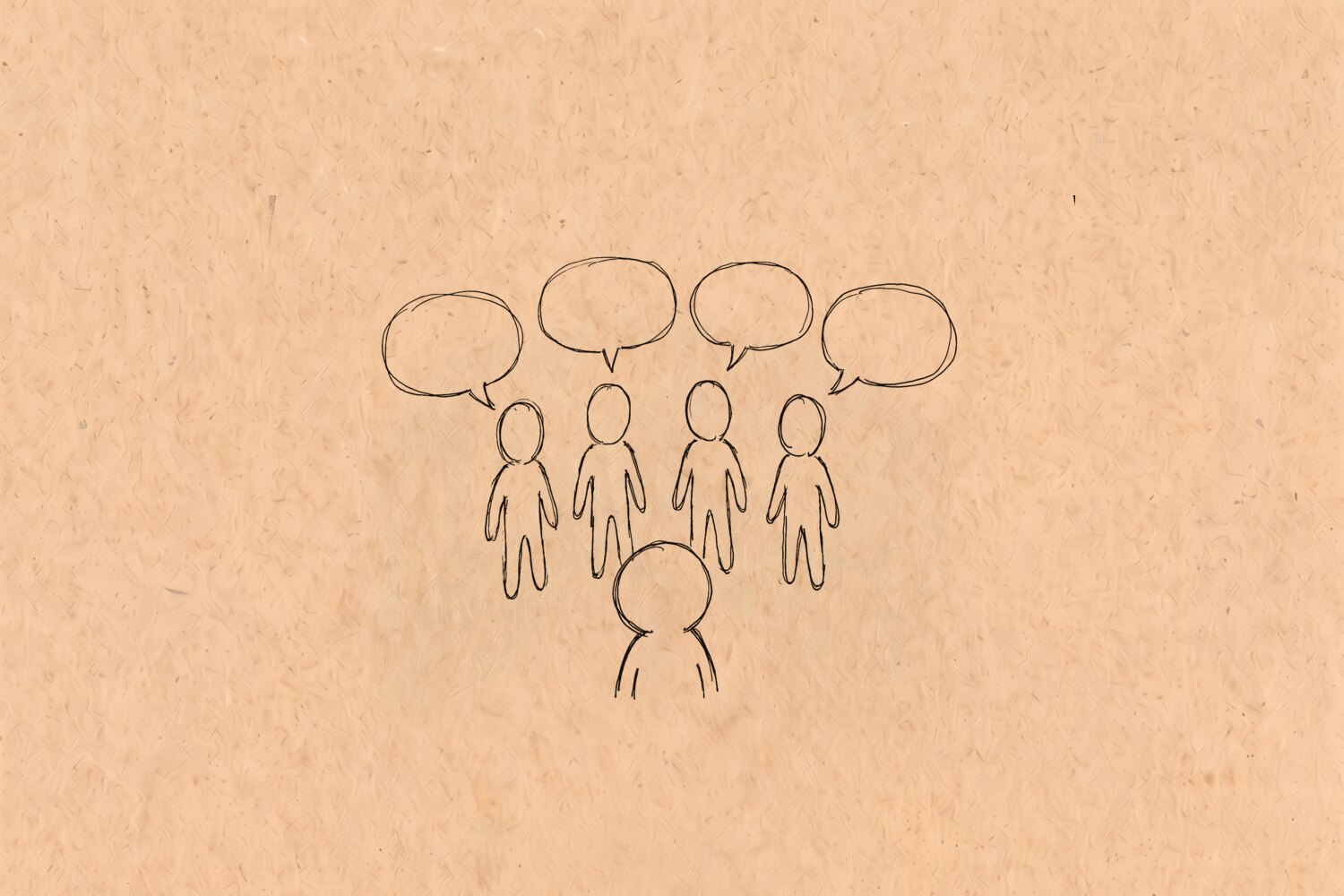
What that turns into
Caring about other people's eyes goes like this:
- Straining to guess what those "other people" are thinking, which you can't actually know
- Not being able to make sense of it, and wondering whether you're just not good enough
- Shrinking a little because of that
- Worst case: deciding to do it the way those "other people" do, even without understanding it, and then actually doing it
- Which mostly turns out badly
What changed after I started meditating
Before meditation I didn't recognize any of this. I'd just flail around inside the thought.
Once I'd been meditating and could catch it happening, things changed. I notice the thought coming up, and if it's a pointless one, I can just pass on it.
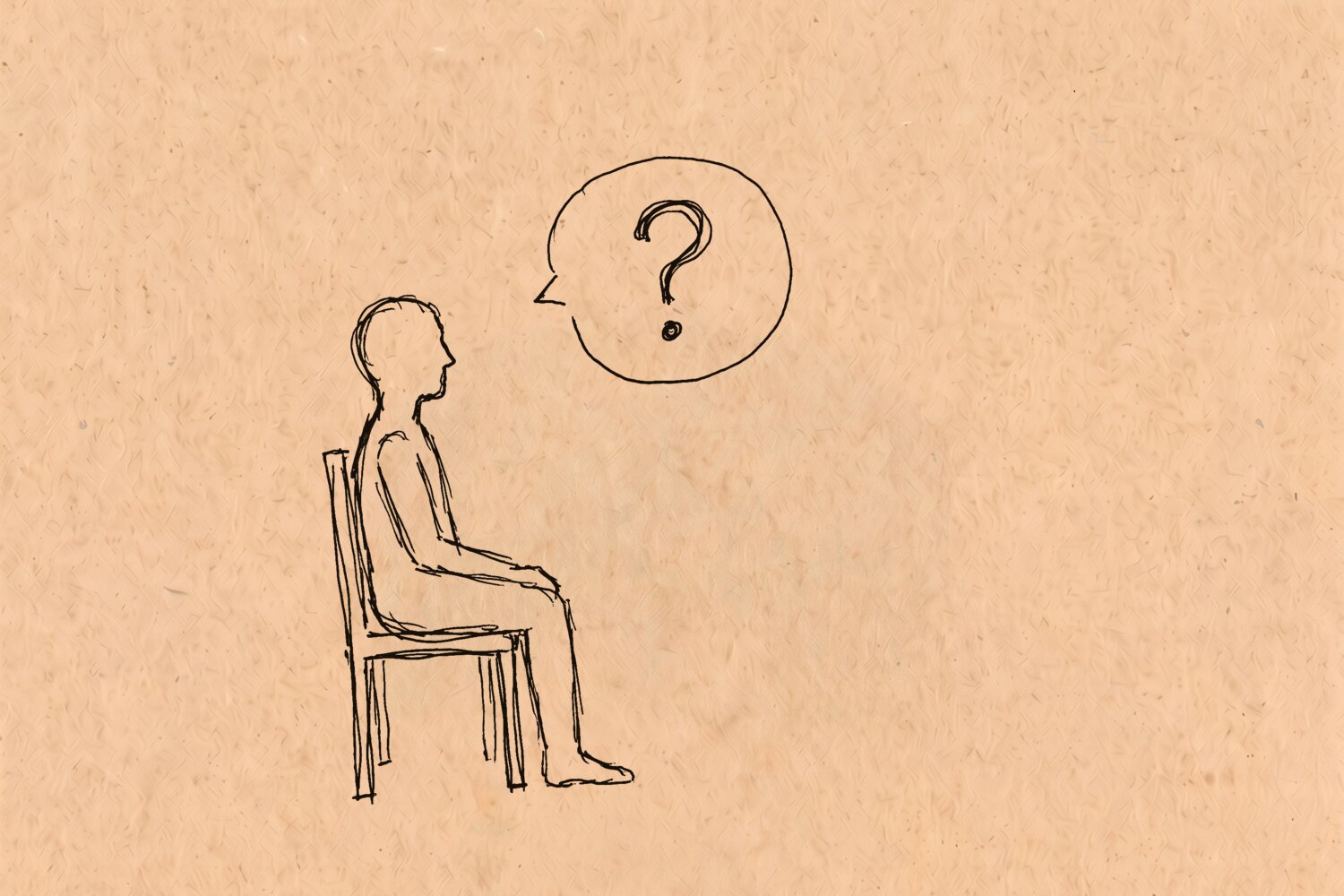
The way my life changed after meditating comes down to this part changing. Whether or not you catch a thought that's come up — I think that matters a great deal.
It's also why I bring meditation up with people around me.
How to do mindfulness meditation
People generally picture meditation as sitting up straight on a cushion in a quiet room, or something you have to go somewhere to be taught, so most never get as far as trying it. Too busy.
That's not what it is.
I fit it in wherever. In bed at night, until I fall asleep mid-way. That noticing, piling up like that, has gradually changed my life.
I found out from experience that a thought on an endless loop is what stress is, and I got a way to stop the loop. These days I can even catch one of those pointless thoughts right as it starts up, and clear it out.
You don't need a cushion or a straight back. Three minutes here and there is plenty. It doesn't have to be quiet. You count your breaths and notice the thoughts that come up — that's the whole thing.
Three minutes of it and my head felt sorted out a bit, and as it piled up, the catching got faster.
Around the six-month mark I felt like a lot had changed for me. Being able to catch your own thoughts — it's a genuinely remarkable experience, and a genuinely useful ability.
Give meditation a go, everyone. And if starting is the hard part, try starting with the app I built. It's called True Meditation: Mindfulness — free on the App Store and Google Play.
In short
Thoughts about how other people see you show up right when you're trying to solve something. How does everyone else handle this; if I do it this way, how will people see me. Once your head is full of that, the thing you were actually doing stops getting done.
You strain to guess what people you can't read are thinking, shrink a little when it doesn't make sense, and end up copying a way of doing things you don't understand. That mostly turns out badly.
What changes it is catching the thought as it comes up. Once you catch it, a pointless thought is one you can pass on. Catching thoughts is an ability you build by training, and the training needs no cushion and no straight back — three minutes here and there, counting your breaths and noticing what comes up.
True Meditation: Mindfulness is not an app you listen to. It's an app for doing mindfulness meditation yourself — the training of noticing your own thoughts, built into an app. It's free on the App Store and Google Play.
Related reading
- What's Going On in Your Head When You're Trying to Impress — the same structure running toward showing off
- When Your Mind Won't Stop Racing, Emptying It Is the Wrong Move — what noticing is, and why it isn't clearing your head