What's Going On in Your Head When You're Trying to Impress
Knowing better was never the problem
Let me give you one example of why mindfulness meditation is worth doing. Stay with me on this one.
Everyone's got a few of these. You tried to look impressive in front of someone, and later you cringed at yourself about it. Have you ever stopped and asked what was actually going on in your head while it was happening? "I must have been out of my mind" doesn't really cover it.
The thought that shows up out of nowhere
Trying to look impressive doesn't come from a plan. You're in a room somewhere, and a thought like this arrives on its own:
- I want to look rich
- I want to look smart
- I want to look like I've got it all handled
- I want to look impressive. Capable. Happy.
Nobody plans this out in advance. It just comes up in the moment.
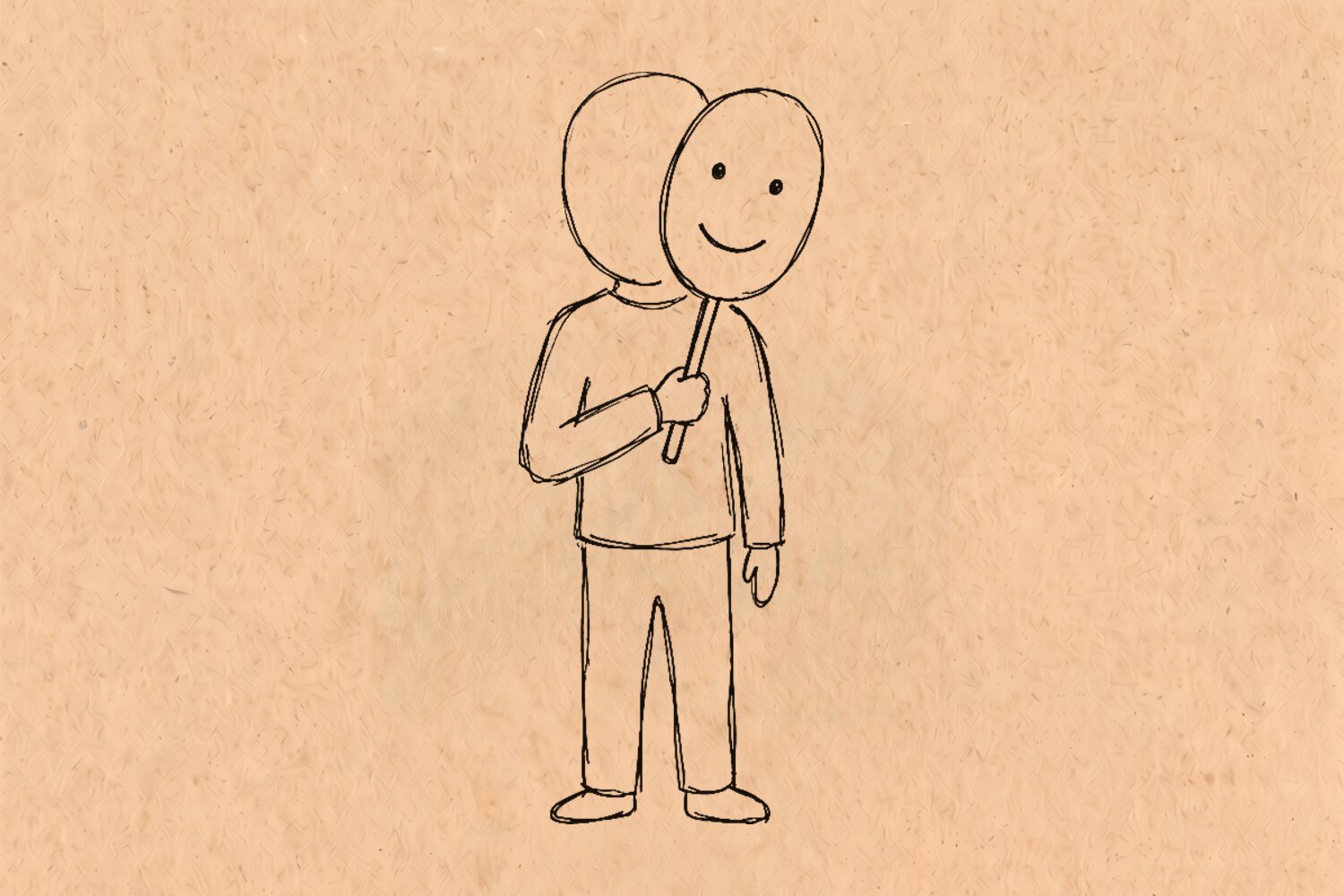
It happens in a sequence
Trying to look impressive and cringing about it later isn't one single event. It plays out in your head in four steps — at least, this is how I've watched it go in myself.
Step 1. The thought comes up. The urge to look good arrives out of nowhere. You didn't pick it. It just shows up. Nothing has gone wrong yet. Thoughts come up on their own. That's what they do.
Step 2. You don't register that it came up. Everything is decided here. It's not that you don't know what you're thinking — you don't register that a thought arrived at all. It just feels like you. There's no space between "that's a thought" and "that's me."
Step 3. Your words and actions are already following it. You say things you didn't need to say. Acting like you know. Acting like you've got money. Acting like you're fine. You spend money you didn't need to spend. You're tired and you act like you aren't. You don't like it and you say you do. In the moment, none of it feels strange. It just happens.
Step 4. You only see it once it's over. After you've left, or lying in bed that night, the scene comes back. Why did I do that. That's the cringe.
Cringing means you did catch it. You just caught it late. The noticing didn't fail to happen. It happened after everything was already done.
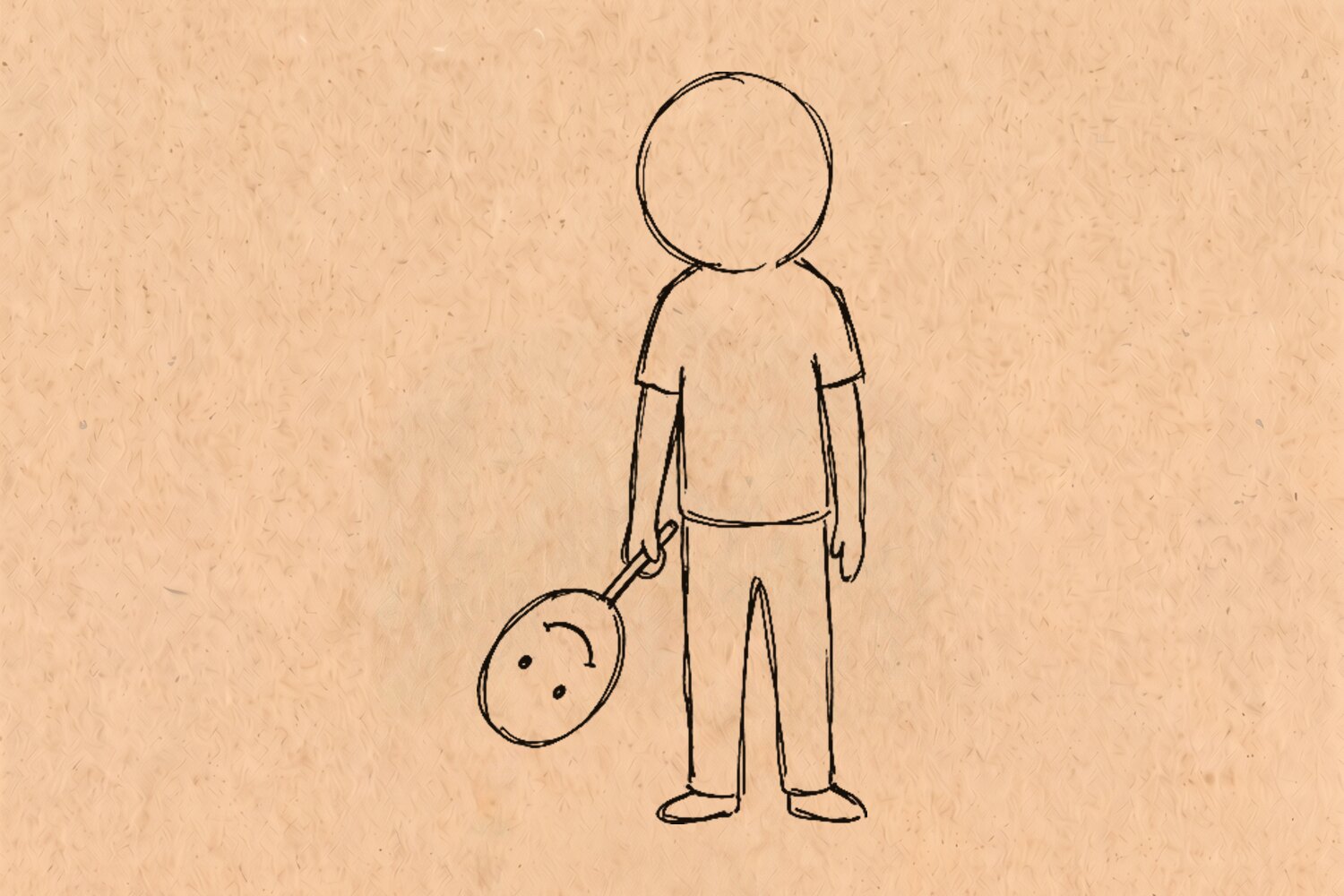
Why what you know never arrives in time
Nobody needs to be told that working this hard for other people's approval isn't worth it. It's in books, it's all over the internet. You can spot it instantly when someone else is doing it. And the next time you're in that room, you do it anyway.
The reason is in the order of the four steps. What you know only works at step 4. Once it's over, when you're judging what you should have done. Step 2 is where it was needed, and nothing you know shows up at step 2. A thought you didn't register just pulls you along. And while it's pulling you, you don't know you're being pulled.
So no matter how much you know, it happens again. What has to change isn't how much you know. It's when you notice.
What changes when the noticing comes earlier
Catching the urge at the moment it arrives changes everything after it. At step 2, one sentence going through your head is enough.
Ah. The urge to look good just came up.
Noticing doesn't make the urge disappear. It doesn't go anywhere. But a gap opens up between the thought and you. With the gap, you get to choose how to act. Go ahead with it, or don't. Without it, there's nothing to choose with. You just do it.
Thoughts still come. They just don't pull me along anymore. That's the part that changed for me after I started meditating.
The ability to notice is built by training — mindfulness meditation
Resolving to notice earlier doesn't work, because when the moment comes you forget you ever resolved anything. Only training moves it earlier. That training is mindfulness meditation.
Thoughts keep coming up while you meditate, too. Noticing that one has come up and returning is what repeats, over and over, inside the session. That repetition is step 2, practiced somewhere it costs you nothing.
What used to only show up on the way home starts showing up while you're still in the room. I fit it in wherever. While the coffee's being made, or in bed at night until I fall asleep partway through. Three minutes at a time is plenty.
In short
Trying to look impressive and cringing about it later happens in four steps. The urge to look good arrives, you don't register that it arrived, your words and actions follow it, and the scene only becomes visible once everything is over. Cringing doesn't mean you failed to notice. It means you noticed late.
Knowing that other people's approval isn't worth the effort only works at that last step. The moment you actually needed that knowledge was right after the urge arrived, and at that moment what you know is no help at all. That's why the same thing happens again no matter how much you know.
What you can change is not the amount of knowledge but the moment you notice a thought. Mindfulness meditation is the training that moves that moment earlier, and three minutes here and there was enough for me.
True Meditation: Mindfulness is not an app you listen to. It's an app for doing mindfulness meditation yourself — the training of noticing your own thoughts, built into an app. It's free on the App Store and Google Play.
Related reading
- The real reason overthinkers worry about what people think — the same problem running in the opposite direction
- I learned to meditate from a book — how this practice ended up as an app