You Rested Your Whole Lunch Break. Why Are You More Tired?
After lunch there's usually twenty minutes left before you have to be a person again. These days that time mostly goes to the feed. You open TikTok for one video, and by the time you look up it's five minutes to your 1:30.
Here's the strange part. You clearly rested — but the afternoon feels harder. Your eyes are dry, your head is foggy, and you catch yourself staring at your screen without actually starting anything. Somehow the battery is lower than before the break.
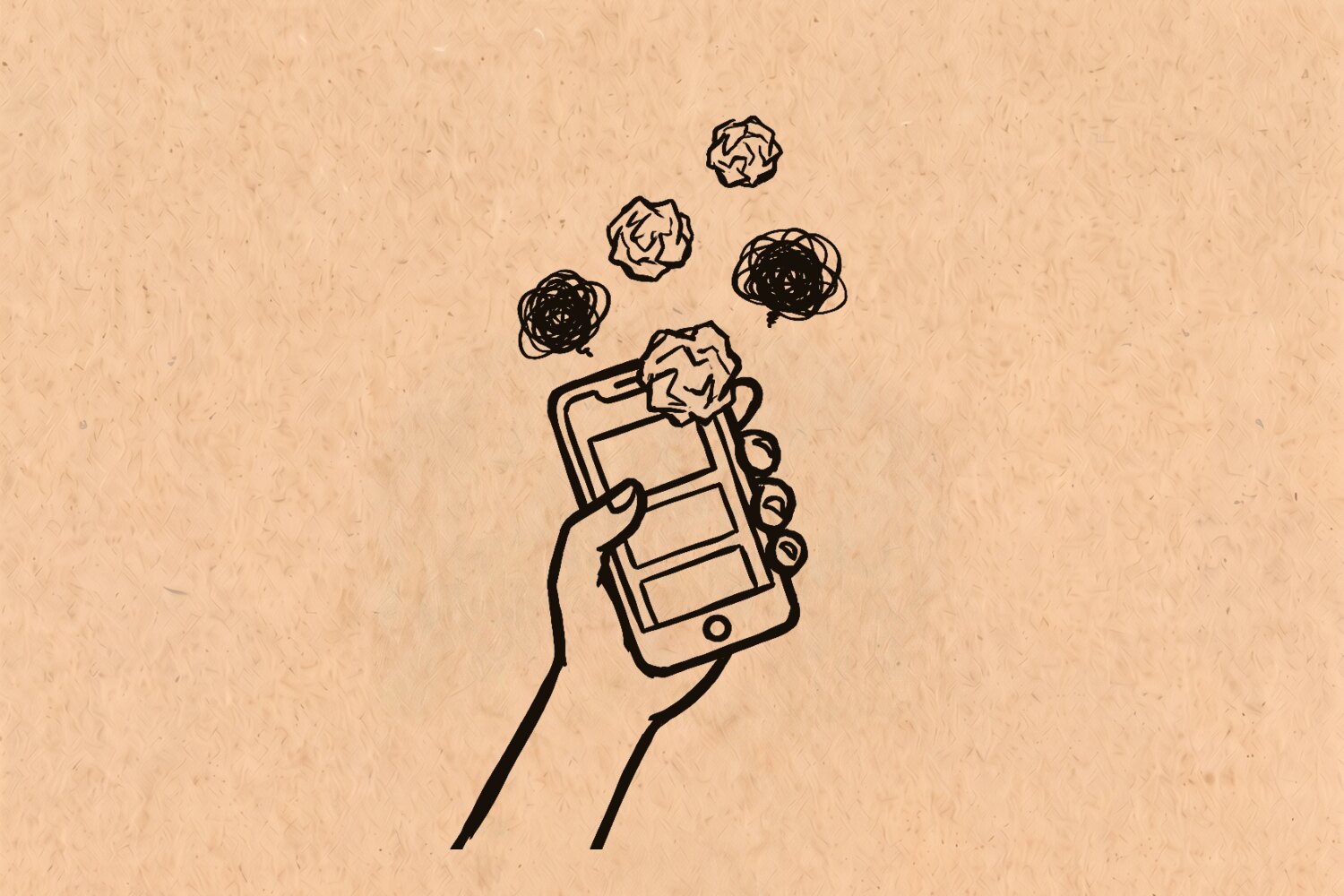
What was happening in your head for those twenty minutes
Trace what your brain was actually doing while you scrolled, and the answer is right there.
The input never stops: every few seconds a new clip, a new sound, a new caption. And underneath it, the thinking never stops either. Between swipes the afternoon meeting cuts in, the email you haven't answered, the deck that's due. One worry spins up a whole scenario, the scenario kicks up a feeling, and the feeling drags in the next thought. Scenarios, writing themselves, all lunch long.
That kind of thinking is exhausting — more than sitting in a chair has any right to be. Get pulled into one worry, watch your head write three or four scenarios, and you feel drained even though your body never left the chair. So those twenty minutes weren't rest. Your eyes were on the feed, and your head was working overtime.
Fine — so just do nothing?
The fix sounds obvious: put the phone down and sit still. Anyone who's tried knows how that goes. You don't last a minute. Thirty seconds in you're bored, then the meeting barges in, and soon the phone is back in your hand.
That's not a willpower problem. The brain can't stand an empty moment; give it nothing and it starts writing on its own. "Sitting still" turns out to be less like resting and more like being locked in a room with your own thoughts. No wonder the phone wins.
What you need isn't "doing nothing"
You need one simple thing to put your attention on.
Mine is counting breaths, three minutes at a time. I close my eyes and count each breath — one, two, three. That's all it is. Sooner or later a thought drags me off: to the meeting, to dinner plans, to yesterday's mistake. But at some point it comes: oh — I was somewhere else. And I come back to the number I was on.
That moment of noticing is the whole game. A worry can only keep writing scenarios while I don't know it's happening. The moment I notice, the writing stops, and the part where the feeling drags in the next thought never gets started.
Thoughts will still come. But they won't pull you along anymore.
So those three minutes are nothing like sitting still and enduring it. It's not about silencing the noise; it's about not being dragged around by it. When I open my eyes, the meeting is still there — but the scenario that had been running itself in my head has stopped. My body is in the same chair. This time my head is sitting with it.
That's mindfulness meditation. It's also the closest thing to actual recharging I've found.
Keep the scrolling
The takeaway isn't "quit TikTok." Keep it. Just save the last three minutes of the break. Right before the afternoon starts: phone down, eyes closed, three minutes of counting. Twenty minutes of scenarios writing themselves — and you stop them once, before carrying them into the afternoon. No commitment, no cushion, no quiet room.
I built an app for exactly this — meditation you actually do, not a narrator you listen to. It's designed around the part beginners find hardest, the noticing: you breathe along with it, and when your breathing goes quiet because you've drifted off, it gently flags the moment so you can catch it yourself. It's called True Meditation: Mindfulness — the app this site is about — and it's free on the App Store and Google Play.
The afternoon is coming either way. Walking in tired and scattered, or not: that part you get to choose.
In short
Twenty minutes of scrolling through a lunch break isn't rest. The input never stops, and underneath it the thinking never stops either: one worry spins up a scenario, the scenario kicks up a feeling, and the feeling drags in the next thought. That's why you can sit in a chair the whole time and still come back drained.
Putting the phone down and sitting still isn't the alternative. The brain can't stand an empty moment and starts writing on its own, so doing nothing is less like resting than being locked in a room with your own thoughts.
What works is one simple thing to put your attention on. Close your eyes, count your breaths, and when you notice a thought has pulled you away, come back to the number you were on. The scenario stops being written at that moment. Thoughts will still come, but they won't pull you along anymore. Three minutes before the afternoon starts is enough.
True Meditation: Mindfulness is not an app you listen to. It's an app for doing mindfulness meditation yourself — the training of noticing your own thoughts, built into an app. It's free on the App Store and Google Play.
Related reading
- When Your Mind Won't Stop Racing, Emptying It Is the Wrong Move — what noticing is, and why it isn't clearing your head
- What's Going On in Your Head When You're Trying to Impress — when a thought you didn't catch takes your behaviour with it