How to Stop Procrastinating
It's not a willpower problem
This is about how to stop procrastinating, but it's not about the methods you already know. It starts with why none of them ever show up in the moment you need them.
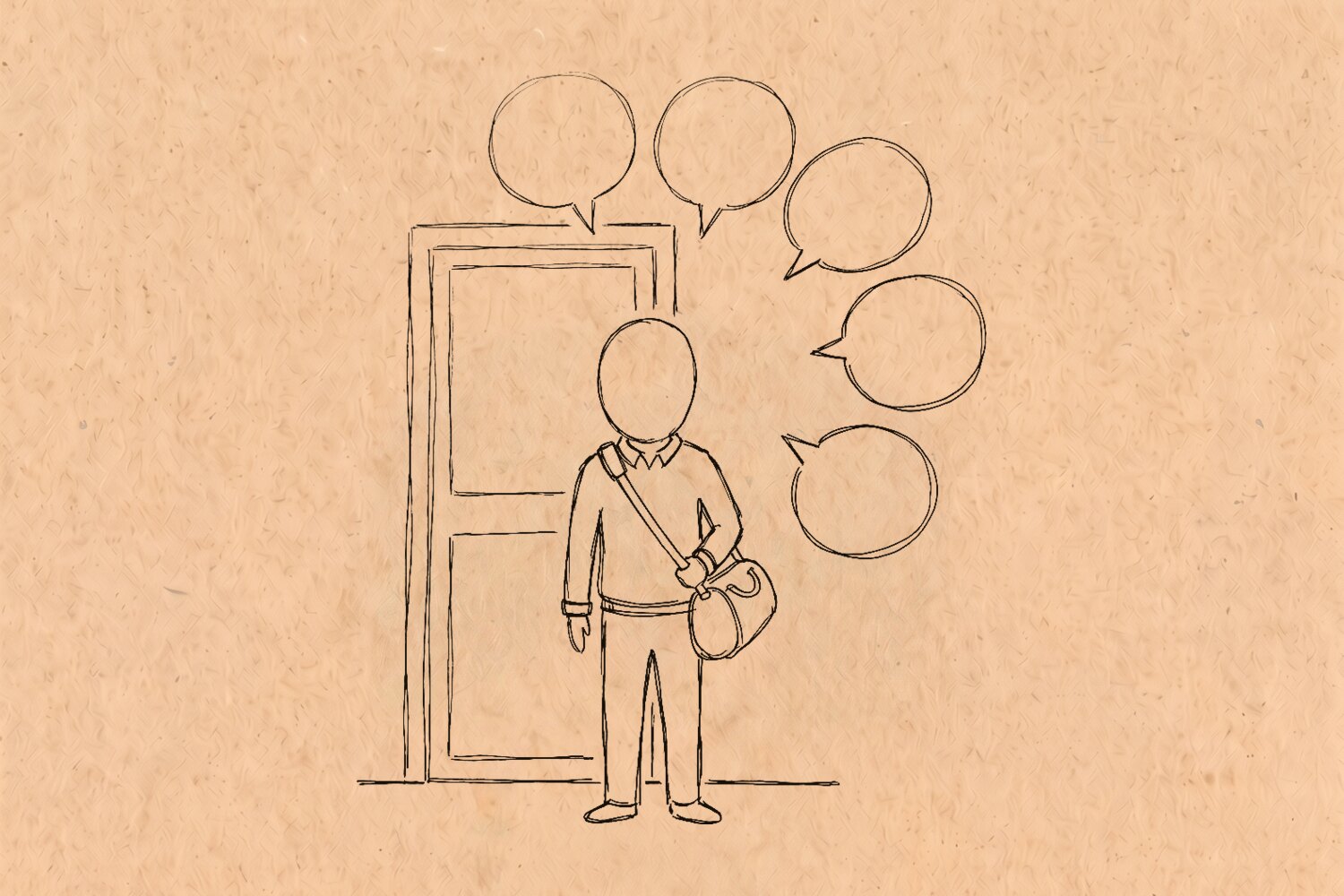
The day you were going to the gym
Bag packed by the door. Then, right before you change, the sentences start coming.
- I worked out yesterday. Rest days matter.
- I've already been twice this week.
- It's too hot today. I'll go tomorrow.
- I have plans tonight, so it's a weird window.
- It's peak hour right now. I'll just go early tomorrow.
Nobody plans this. You didn't sit down and plan your way out of it. It just comes up, right then.
Every one of those sentences holds up. You did work out yesterday. It is hot. You do have plans tonight. None of it is a lie, so there's nothing to argue with. So you let it go.
The order is backwards
Skipping doesn't happen in one piece. It plays out in three steps.
Step one. The feeling arrives first. Not wanting to go shows up before any reason does. At this stage there's no reason at all. Your body just feels heavy and you're not up for it.
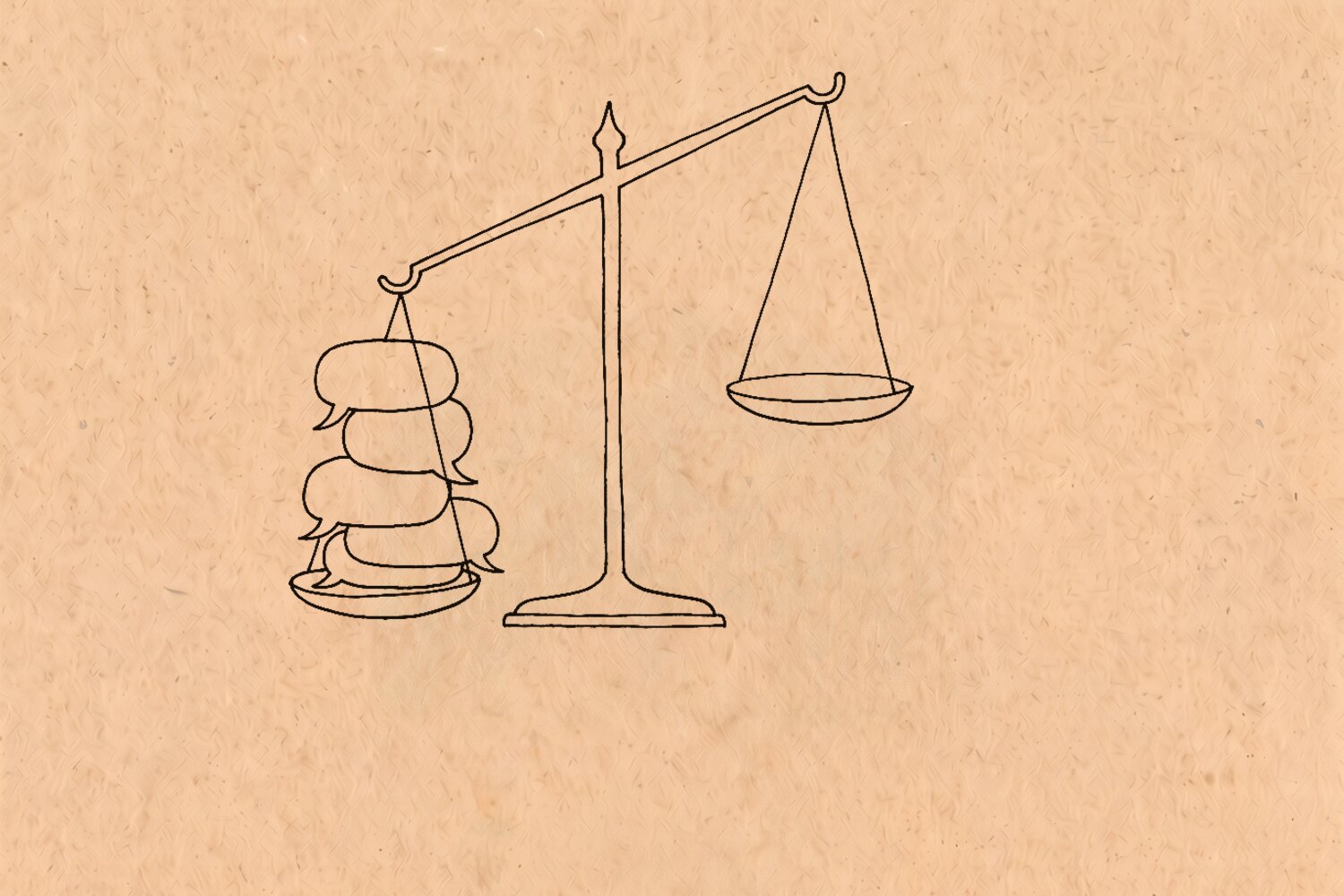
Step two. Reasons attach themselves to the feeling. This is the step that does it. The conclusion didn't come out of weighing reasons. The conclusion was already there, and the reasons came after it. That's why all of them point the same way. Not one reason to go comes up. Five reasons not to go do. If this were a judgment, both sides would have shown up.
Step three. You decide, based on the reasons. And it doesn't feel like a decision. It feels like the reasonable thing to do. You don't sit down on the couch feeling like you gave up. You sit down feeling like you thought it through and resting is the right move today.
You're not skipping because you have reasons. The reasons showed up because you weren't going to go. The order is backwards, and the order is the part you can't see.
It isn't that you don't know how
Every trick for not procrastinating is already out there.
Just do five minutes. Break it into smaller pieces. Change your environment. When you hesitate, move within a few seconds. All of it is sound, and plenty of people have made it work.
But every one of those assumes something. That you know this is the moment.
"Move within a few seconds" only works if you know the few seconds have started. "Break it into pieces" only works if you know you're in the situation that calls for it.
The trouble is how fast step one and step two go — the not wanting, and the reasons that come up to justify it. While the reasons are attaching, you can't tell that's what's happening. It just feels like you're thinking. It's only later that you see it. Right, I talked myself out of it again today.
Knowledge is no use in that window. You could read a hundred self-help books and it wouldn't change, because that window isn't where knowledge works.
What changes when you notice
Noticing does less than people expect. Put precisely, it works like this.
Noticing doesn't suddenly make you want to go. The not wanting is still there. That doesn't go anywhere.
One thing changes. The feeling and the reasons stop being facts and start being a feeling with some thoughts attached.
"It's too hot today" stops being a judgment about the weather and becomes I don't want to go right now, and I'm looking for the reason in the weather. The content is identical. The position changed. You were inside it, and now you're standing where you can see it. That is what metacognition actually is.
If you can see it, you can choose. If you can't, there's no choosing. You get pulled along, and you don't go.
Then aim only as far as the door — the self-help advice works here
Noticing isn't the end of it. There's one more place you slip, right after you notice.
If you notice and then decide "right, I'm working out," you lose again. An hour at the gym is too big a piece, and the moment you picture that piece, reasons not to go start attaching all over again.
So the thing to aim at isn't the workout. It's putting your clothes on and walking out the door. That, and nothing past it. Commit to only that and there's nowhere for a reason to attach. Whether it's hot, whether you have plans — none of it has anything to do with putting clothes on.
And once you're out the door, the rest gets much easier. Not because your resolve held, but because you're already moving.
This isn't willpower, it's order. You're not committing to the big thing. You're taking the first step and nothing else.
Noticing is an ability you build by training
So: you don't put things off because your will is weak. You put them off because you can't catch the reasons taking over your head in that moment, and you get pulled along by them.
Catching your own thoughts isn't something you can decide to do. When the moment actually arrives, you forget you ever decided. Noticing is an ability you have to build by training.
And there's a practice that trains exactly that. Mindfulness meditation.
Sit down to do it and your mind will wander off. It always does. Then at some point you notice you were gone, and you come back. That is the exact move you need at the gym door. Notice, and come back. Meditation is repeating that move somewhere quiet.
Meditation is training to notice what's going through your head, and that can affect a lot in everyday life, including this. It's not some old-fashioned thing. There's a reason it's been around for three thousand years.
I built that training into an app so anyone can do it. It's the one on this site.
In short
Putting something off happens in three steps. The feeling of not wanting to comes first, reasons that match the feeling attach themselves to it, and only then do you decide based on those reasons. That is why every reason points the same way. If it were a judgment, a reason to go would have come up too. You don't skip because you have reasons; the reasons show up because you weren't going to go.
Every method for beating procrastination assumes you can tell that this is the moment. The reasons that just came up are exactly what hides it. So none of those methods comes to mind at the point you actually need one.
Noticing a thought doesn't suddenly make you want to do the thing. It only turns the reasons back into thoughts, and once they are visible you can choose. After that, aim at putting your clothes on and getting out the door rather than at the workout itself. Mindfulness meditation is the training that moves the moment of noticing earlier.
True Meditation: Mindfulness is not an app you listen to. It's an app for doing mindfulness meditation yourself — the training of noticing your own thoughts, built into an app. It's free on the App Store and Google Play.
Related reading
- What's Going On in Your Head When You're Trying to Impress — the same structure running the other direction, toward doing something you shouldn't
- When Your Mind Won't Stop Racing, Emptying It Is the Wrong Move — what noticing is, and why it isn't the same as clearing your head